



The Economic Impact of Rapid Interest Rate Rises
Over the past three months, interest rates have risen sharply, with markets now anticipating at least one or two additional increases over the next six months. While the absolute level of rates matters, the speed of tightening is often what creates the greatest economic and market disruption.
This cycle is beginning to affect household behaviour, business confidence, credit availability, and investment markets simultaneously. The lagged effects are likely to become increasingly visible over the second half of the year.
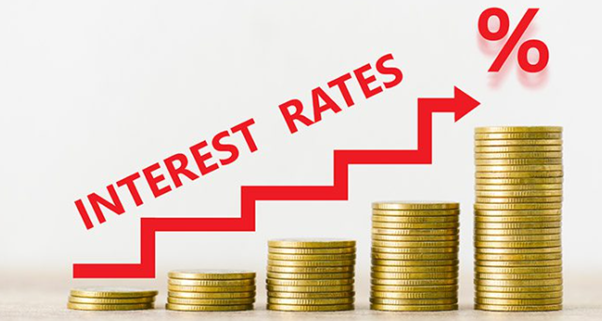
Economic Impact: Growth Begins to Slow
Rapid interest rate increases work through the economy by making borrowing more expensive and reducing liquidity.
Key outcomes:
- Higher mortgage repayments reduce disposable household income, causing consumption to fall.
- Business borrowing costs rise, slowing expansion and hiring, causing unemployment to rise.
- Asset prices weaken, reducing confidence and spending
- Banks tighten lending standards as economic risk rises
- Business and consumer sentiment deteriorates
The economy rarely slows immediately after the first rate rise. Historically, the full effect takes 6–18 months to emerge. However, when rates rise aggressively over a short period, economic activity tends to slow faster because households and businesses have less time to adjust.
Likely economic outcomes over the next 6–12 months:
- Slower GDP growth
- Weaker retail spending
- Softer housing activity
- Rising business caution
- Gradual increase in unemployment
- Lower inflation over time
The central bank’s objective is effectively to reduce demand enough to bring inflation under control without causing a severe recession. Achieving that “soft landing” becomes more difficult when tightening occurs rapidly.
Investment Market Implications
Equities
Rapid rate rises generally create volatility across share markets.
Fixed income
Initially, rising rates hurt bond prices. However, once rates move materially higher, fixed income begins to regain attractiveness because:
- Yields improve
- Income returns increase
- Bonds begin to provide portfolio diversification again
For conservative investors, this environment can eventually create better opportunities in high-quality fixed income than were available during ultra-low-rate periods.
Cash and term deposits
One of the clearest beneficiaries of rising rates is cash:
- Savings accounts and term deposits become more attractive
- Retirees and conservative investors benefit from higher income returns
- Capital preservation regains importance
This often causes some capital to rotate away from risk assets.
Strategic Outlook
Australia’s economy entered this period with relatively strong employment and household savings buffers, which may soften the downturn. However, the speed of tightening increases the probability of economic deceleration and market volatility.
Investors should also remember that markets typically anticipate economic weakness before it becomes obvious in economic data. By the time recession fears dominate headlines, many investment markets may already be pricing in slower growth.
The focus should remain on portfolio resilience, diversification, and maintaining appropriate risk exposure as the economy transitions from a low-rate environment to a more normalised interest rate cycle.
Copyright © 2026 Coastline Private Wealth, All rights reserved.
Our mailing address is:
PO Box 2082
Churchlands WA 6018


