




US Federal Reserve Chairperson appointed – Kevin Warsh – what can we expect?
Nomination & Politics
- President Trump has nominated Kevin Warsh, a former Federal Reserve Governor (2006–2011), to succeed Jerome Powell as Federal Reserve Chairperson in May 2026. This nomination still requires Senate confirmation and is facing political friction in Congress, including resistance tied to broader disputes over Fed independence and investigations into Fed leadership.
Market Reactions
- Treasury yields and the US dollar strengthened on the initial reaction, while precious metals and some equities sold off sharply — indicating market repricing of monetary policy expectations.
- Bitcoin and other risk assets experienced volatility amid the perceived shift in risk sentiment.
Fed Independence in Focus
- During Senate hearings, U.S. Treasury officials were unable to assure lawmakers that Warsh wouldn’t face political pressure (even legal threats) to follow the Administration’s rate preferences — a dynamic that has amplified concerns about Fed autonomy.
Credibility vs. Political Demand
- Historically, Warsh has been seen as more inflation-conscious than obvious “easy money” picks. Some strategists argue his selection could strengthen policy credibility, which is supportive for bonds with a focus on inflation control.
- Yet if political pressure from the White House intensifies, the Fed may be pushed toward lower-for-longer rates, complicating bond market expectations. This conditional dynamic increases term premium volatility and could steepen yield curves at different horizons.
Risk Assets & Equities
- U.S. equity benchmarks dipped early on the nomination announcement — reflecting uncertainty rather than bearish fundamentals per se.
- Major financials and banks may benefit from more credible inflation-anchoring policies, while precious metals and defensive assets have been under pressure from a stronger dollar and repricing of rate cuts.
“Fed Put” Reassessment
- The traditional market belief in a central bank backstop (“Fed Put”) is weakened if investors conclude Warsh prioritises data-driven policy over automatic easing for market support. That could temper valuation multiples, especially in highly speculative sectors.
Arguments for Independence
- Warsh has deep institutional credentials and is respected in parts of the economics community for analytical capability and market experience. Some economists describe him as a credible choice who could maintain a data-dependent policy framework.
Concerns over Political Capture
- Trump’s public pressure on monetary policy, including joked threats of legal actions if rates aren’t cut, has raised legitimate skepticism about the Fed’s insulation from politics.
- Market commentary and some political voices see the nomination as aligned with Trump’s preferences, which complicates the narrative of strict central bank autonomy.
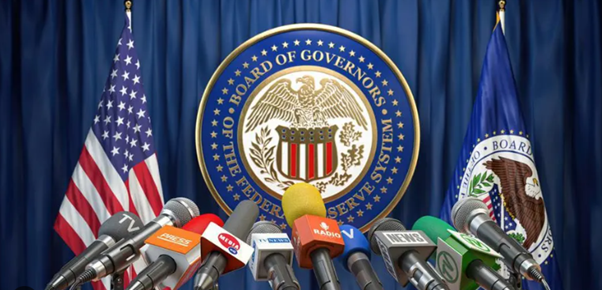
Implications
- A perceived loss of independence — even if not fully realised — can influence long-term inflation expectations and risk pricing, particularly in bonds and real assets.
- Confirmation hearings will be pivotal. If the Senate insists on assurances of independence or legislative protections, this could bolster market confidence.
Conclusion
- Is Warsh a “good appointment”?
Fundamentally, Warsh brings experience and credibility that markets respect in a central banker, which can be positive for both bonds and equities under a stable, inflation-anchored regime. - Is he a “Trump favourite” vs. independent?
There is legitimate concern that the nomination reflects political alignment — not least given public pressure from the White House and legal rhetoric regarding policy decisions.
Copyright © 2026 Coastline Private Wealth, All rights reserved.
Our mailing address is:
PO Box 2082
Churchlands WA 6018


