




Middle East Conflict
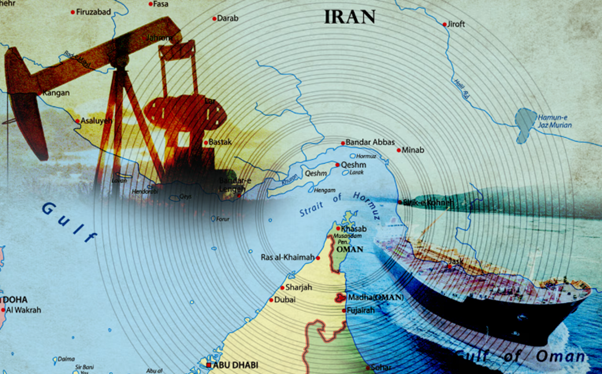
The war involving Iran has introduced a major geopolitical shock to the global economy, primarily through energy supply disruption, trade routes, and financial risk sentiment. In the short term, markets are responding through higher oil prices, rising inflation expectations, and defensive positioning. In the medium term, the key determinant will be whether the conflict remains regional or escalates into prolonged disruption of energy flows through the Strait of Hormuz.
1. The Core Transmission Channel: Energy
The primary macro channel is energy supply.
- Roughly 20% of global oil supply moves through the Strait of Hormuz, making it one of the world’s most critical energy chokepoints.
- The conflict has already disrupted tanker traffic and energy infrastructure, pushing crude prices sharply higher.
- Analysts estimate oil could reach $100–$120 per barrel in extended disruption scenarios.
2. Inflation Shock and Monetary Policy
Higher energy prices will feed directly into inflation.
A sustained 10% increase in energy prices could raise global inflation by roughly 0.40% and reduce growth by 0.1–0.2%, according to international estimates..
3. Trade and Supply Chain Disruptions
The war is already affecting logistics and freight.
Missile attacks and airspace closures have disrupted major commercial routes, affecting both maritime and air freight between Asia, Europe, and the Gulf.
Implications:
- Freight costs rising
- Air cargo capacity constrained
- Electronics and pharmaceutical supply chains impacted
This creates a secondary inflation channel beyond energy.
4. Financial Market Reaction
Commodities
Bullish
- Oil
- LNG
- Defense metals
Equities
Short term
Winners:
- Energy companies
- Defense stocks
- Commodity exporters
Losers:
- Airlines
- Consumer discretionary
- Emerging market equities
Global equities initially sold off as geopolitical risk rose, and energy prices surged.
5. Regional Implications
Europe
- Higher energy costs
- Weak growth outlook
Asia
- Significant exposure to Gulf energy imports
- China, India, Japan and South Korea are major buyers of regional oil and LNG.
Australia
Effects likely through:
- Increased LNG demand
- Commodity export support
- Higher petrol prices
6. Market Scenarios
- Scenario 1 — Contained Conflict (50%)
- Oil peaks then stabilizes
- Risk assets recover
- Inflation bump temporary
Scenario 2 — Regional Escalation (35%)
- Oil > $100
- Growth slowdown
- Risk assets volatile
Scenario 3 — Hormuz Closure (15%)
- Severe supply shock
- Oil $120–$150
- Global recession risk
Bottom Line
The Iran war represents a classic geopolitical supply shock, with oil markets as the key transmission mechanism. If the conflict remains limited, the macro impact should remain manageable. However, escalation affecting Gulf energy infrastructure or the Strait of Hormuz would significantly raise the risk of a global stagflation episode.
Markets will therefore trade primarily on three variables:
- Strait of Hormuz shipping flows
- Gulf energy infrastructure damage
- Duration of the conflict
Copyright © 2026 Coastline Private Wealth, All rights reserved.
Our mailing address is:
PO Box 2082
Churchlands WA 6018


