




Global markets enter the new week under continued macro, geopolitical, and liquidity pressure. The dominant regime shift is clear - markets have transitioned from a disinflation + easing narrative to an energy shock + policy constraint regime, with cross-asset implications that resemble a modern stagflation scare. Below we outline the key data points, macro drivers, and tactical positioning framework.
1. Macro Regime: Energy Shock Driving the Cycle
The primary catalyst shaping global markets is the escalation in the Middle East and the effective disruption of the Strait of Hormuz, a chokepoint for ~20% of global oil flows. Oil prices have surged dramatically, with Brent rising above $110–$115/bbl and recording one of the largest monthly increases on record.
This is no longer a tail risk—it is the base case. Supply disruptions are estimated at up to 9–12 million barrels/day in extreme scenarios, creating a structurally tighter energy market.
Implications:
- Immediate inflation impulse (energy → transport → food)
- Real income squeeze on consumers
- Margin compression across corporates
- Heightened recession probability if sustained
Historically, oil shocks act as a tax on global growth, and early signals suggest this dynamic is already feeding through into forward-looking indicators.
2. Inflation: Re-Acceleration Risk is Real
Inflation had been moderating into early 2026, but the energy shock is reversing that trend. OECD estimates now point to G20 inflation rising back toward ~4% this year, with peaks closer to ~5% in some economies.
In the US, Federal Reserve officials have explicitly acknowledged that the balance of risks has shifted toward inflation, driven largely by energy prices and tariffs.
3. Central Banks: From Easing Bias to “Hawkish Hold”
The biggest repricing across markets has been in interest rate expectations.
Key tension:
Central banks face a policy dilemma:
- Tighten → worsen growth slowdown
- Hold → risk inflation persistence
This is the classic late-cycle stagflation trade-off.
4. Growth Outlook: Soft Landing at Risk
Growth expectations are being revised lower globally:
- Australia downgraded to ~1.3% growth for 2026
- Europe already near stagnation
- US growth resilient but vulnerable to energy and financial tightening
The global economy had been in a “constrained stability” regime—moderate growth with persistent inflation—but that equilibrium is now under strain.
- Cross-Asset Market Performance
Equities
- Global equities are under pressure, with multiple indices posting consecutive weekly losses
- Energy shock + higher rates = valuation compression
- Cyclical sectors (industrials, consumer discretionary) most vulnerable
Fixed Income
- Bonds are not providing traditional diversification
- Rising yields + inflation concerns → correlation breakdown (stocks vs bonds)
Commodities
- Energy: structurally bid (supply-driven)
- Gold: surprisingly weak due to liquidation/margin pressures
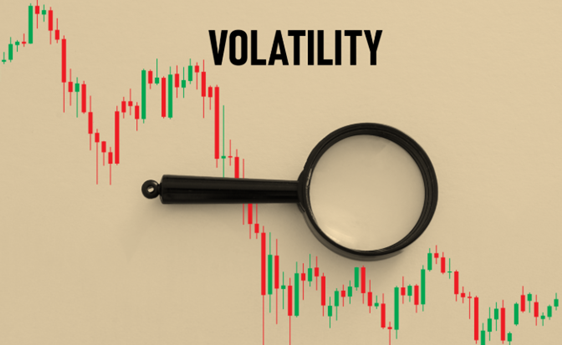
Volatility
- VIX >30 indicates stressed conditions and potential forced deleveraging
6. Liquidity & Positioning
Liquidity conditions are tightening:
- Fiscal impulse fading post-Q1
- Credit conditions tightening
- Global liquidity projected to decline
Positioning indicators suggest:
- Funds are de-risking
- Cash allocations rising
- Forced selling across asset classes
Notably, there is “nowhere to hide” behavior emerging, with equities, bonds, and alternative assets all under pressure simultaneously.
Bottom Line
Markets are undergoing a regime reset toward inflation risk and policy constraint. Until there is clarity on oil supply and central bank response, expect elevated volatility and defensive positioning to dominate.
Cash is king in this environment.
Copyright © 2026 Coastline Private Wealth, All rights reserved.
Our mailing address is:
PO Box 2082
Churchlands WA 6018


